Yearly Archives: 2023

113 posts

Nurturing a Neighborhood

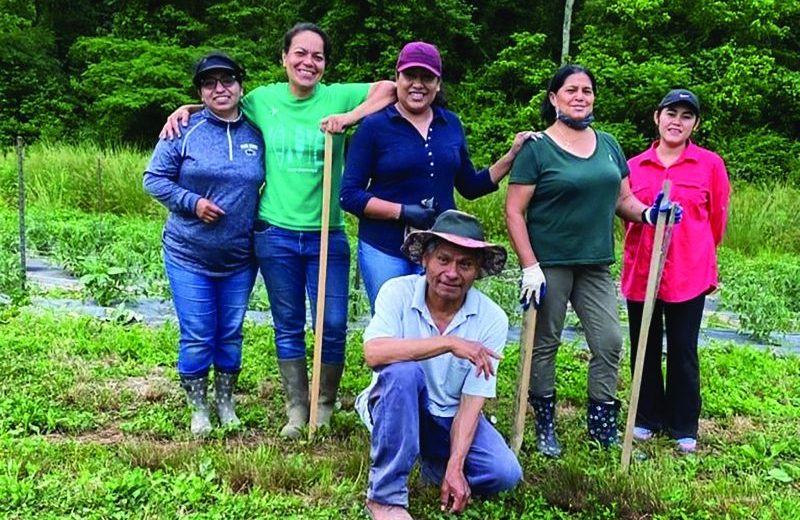
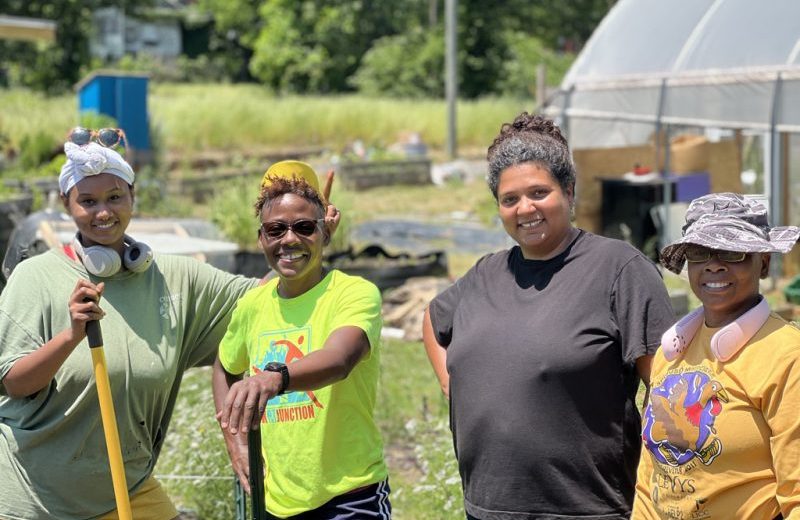
M. Dominique Villanueva runs Fountain Heights Farm in Birmingham, Alabama with her husband Christopher Gooden. The farm has blossomed from their front yard garden to five city lots, producing thousands of pounds of food annually.
Read >

Harvesting Hope

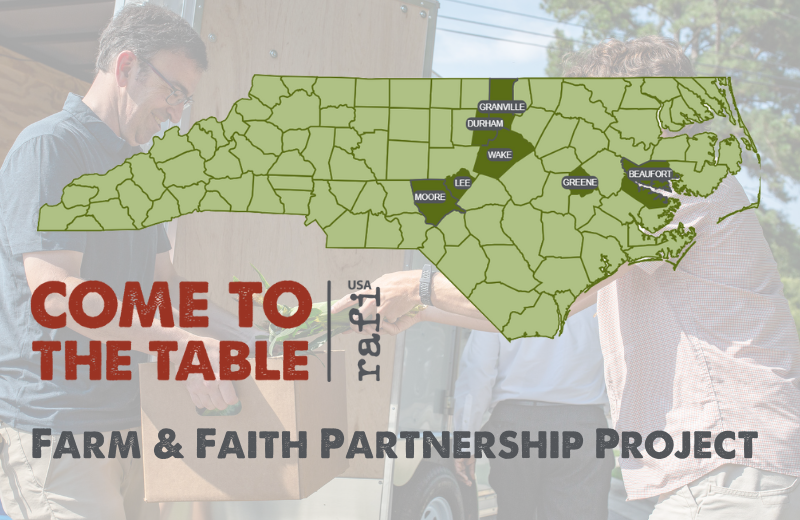
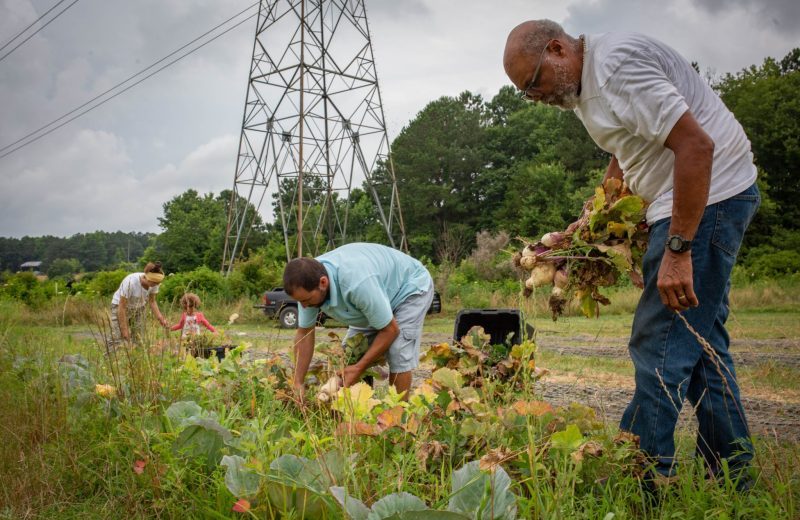
What would it look like for faith communities to be in sustainable, mutually beneficial, and practical relationships with farmers? RAFI's Farm and Faith Partnerships Project pairs churches with local farmers of color to create community supported agriculture programs aimed at strengthening local food systems.
Read >

Book Review — The Farmer's Lawyer

Sarah Vogel’s The Farmers Lawyer: The North Dakota Nine and the Fight to Save the Family Farm is essential reading for farmers and farm advocates. This true story of a young attorney and her lawsuit on behalf of farm families is many things: a compelling memoir; an important history lesson; a crash course in law; an epic David vs. Goliath struggle; and a warning for us all about the challenges farmers continue to face that threaten their very existence.
Read >

Sen. Fetterman Introduces S.2792 in Collaboration with RAFI

On Tuesday, September 13, Sen. John Fetterman (D-PA), in close collaboration with RAFI (Rural Advancement Foundation International-USA), introduced the Strengthening Local Meat Economies Act (S.2792), which will take action against runaway corporate concentration in the meatpacking industry by redirecting over $300 million in federal procurement toward local meat processors rather than multinational corporations, over a four-year period.
Read >

United we Grow

Across generations, farming communities have relied on shared labor, trust, and reciprocity to survive — principles that live on today in agricultural cooperatives. RAFI profiles three active cooperatives that are navigating the highs and lows of joining forces on the farm. 
Read >

USDA Should Buy Meat from Local Processors, Not Meatpacking Monopolists

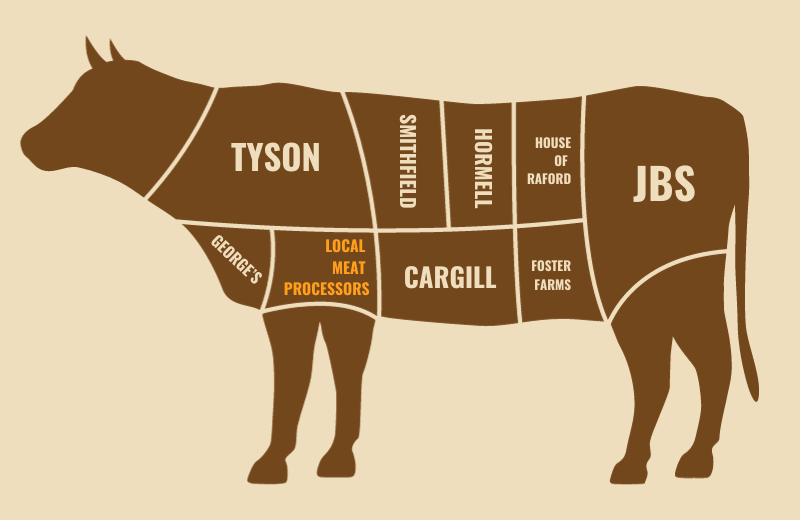
In 2022, USDA purchased nearly half of its meat from the largest category of meat processors. Even more egregiously, 25% of USDA’s meat procurement was allocated to just four dominant meatpackers: $279 million to Tyson, $13 to Cargill, $5 million to Smithfield, and, despite its criminality, $63 million to JBS. In contrast, less that 7% of USDA’s meat procurement contracts were awarded to small meat processors serving regional food systems.
Read >