This year’s conference is not just about discussing food and land; it’s about rewriting the narratives that shape our understanding of food justice. We aim to challenge individual blame, confront structural issues within our food systems, and seek collective, creative solutions through the power of story.
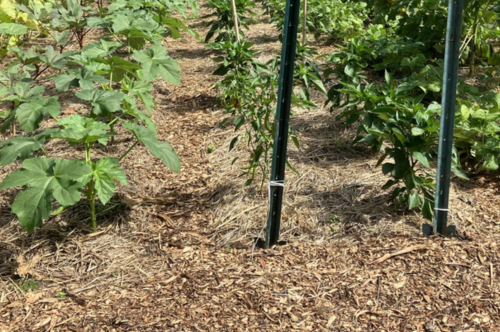
Some mulch strategies are best begun in the fall or spring, but that doesn't help you now. So here is a quick run-down of various mulch types, where to put each kind, and which are better to use when you’re already mid-season.
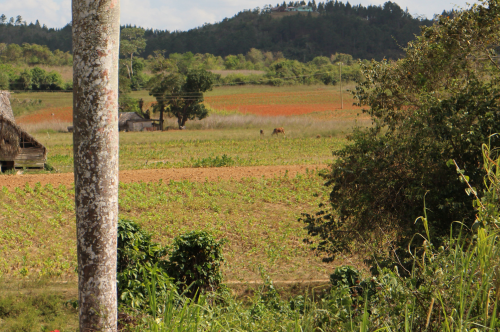
Caribbean Region experiences a dry season that usually goes from December to early April, followed by a short wet season from late April to May. With the entrance of summer in June, precipitation usually drops and temperatures get very high.
Over time, the Food Stamp Program, which is the main federal government program providing food assistance in the U.S., has evolved to be known as the Supplemental Nutrition Assistance Program (SNAP). As the program has evolved, many misconceptions have been associated with the program.
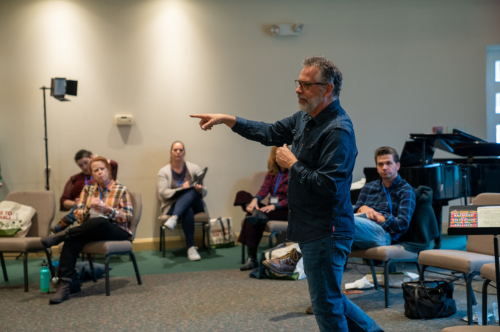
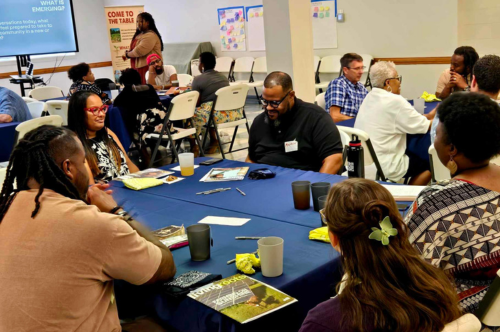
Focused on naming the stories we tell about hunger and those who experience it in our communities, RAFI’s Come to the Table (CTTT) program hosted local faith leaders for a conversation on uncovering hidden narratives about the root causes of hunger at Corinth UMC in Sandston, Virginia.
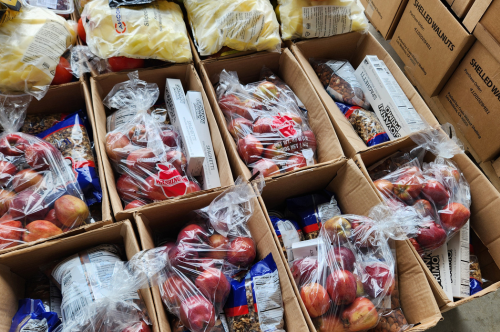
Salem UMC and WCOC received a small grant from Come to the Table to support the purchase and distribution of fresh, local produce from county farmers to food pantry participants.
Over the past month, USDA has issued two new proposed rules that, at long last, take direct action to address several concerns. Don’t have time to read 292 pages of regulatory text? We did it for you!