Jaimie McGirt

6 posts
Jaimie McGirt is RAFI's Agricultural Conservation and Market Access Manager. She works at the crossroads of conservation and market access, providing one-on-one technical assistance to farmers in the Southeast U.S. She assists farmers with identifying business and land stewardship priorities, creating action plans, and identifying other resources, partnerships, and referrals that help them advance their market and farm conservation goals. Originally from southeastern, NC, Jaimie holds a B.S. in Sustainable Development from Appalachian State University. She has a decade of grassroots community and “grasstops” statewide work experience in bolstering rural food economies in economically distressed and ecologically sensitive regions.

Why and When should you apply to the NRCS?

NRCS provides funding and technical support through programs like EQIP and CSP to help you make conservation improvements on your farm. Applications are accepted year-round, but each state sets a ranking deadline — applying early improves your chances of being funded in 2026. Now’s a great time to plan projects like pasture improvements, cover crops, or wildlife habitat and get your application started.
Read >

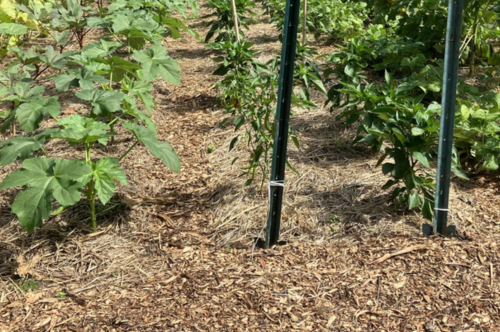
WHY APPLY TO NRCS AND STEP BY STEP INSTRUCTIONS TO APPLY

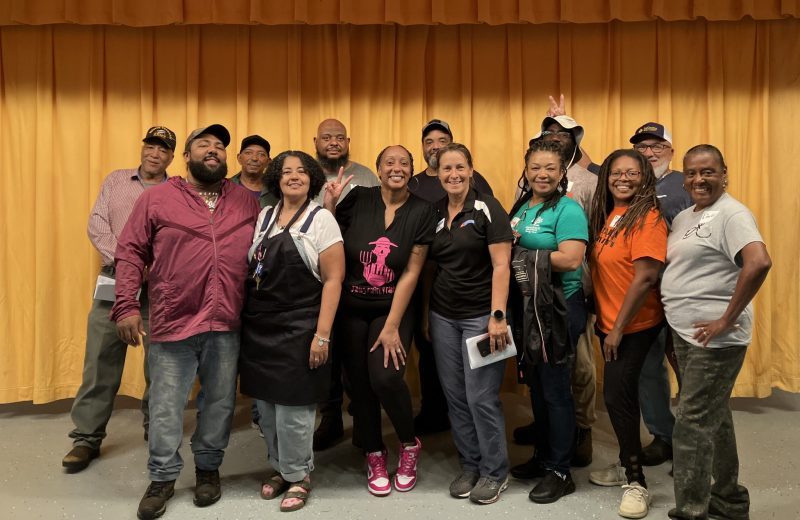
Having someone who walks you through the process, and helps you understand your eligibility, what to expect, and what to ask NCRS can make a big difference. That’s what RAFI and our partners Alliance for Agriculture, Green Heffa Farms, Fountain Heights Farm, and Virgin Islands Good Food Coalition are here to do in our Conservation Resources for Resilient Farms project.
Read >

Aggregate, Collaborate, Profit

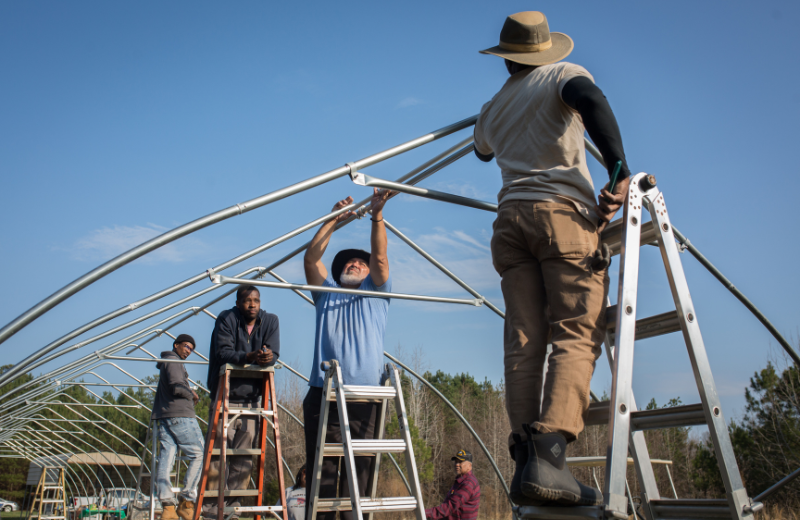
Farming collaboratives can help beginning farmers gain a foothold in the market and help develop reliable markets for members' products. Berry Hines Sr., founder of the Eastern North Carolina Farmer Collaborative, talks lessons learned from small farm aggregation.
Read >

Island Farming

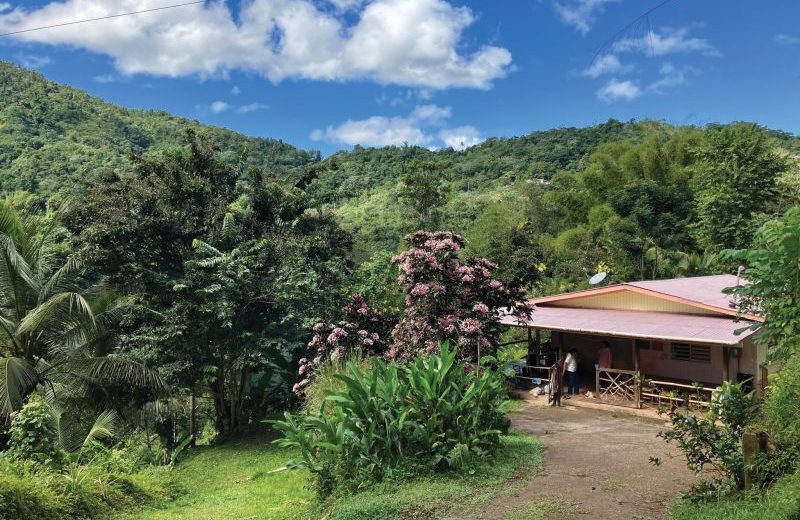
Farmers based in the U.S. Caribbean territories face many of the same challenges as mainland farmers. However, the Indigenous and colonized histories of the islands, trends in agriculture land ownership, effects of hurricanes and climate disasters, dynamics of tourism and oil refinery industries, along with supply chain challenges combine to create unique challenges, driving an urgent need for resources to support farm resiliency.
Read >