Farm Advocacy

61 posts

Farmers, Be Counted! Ag Census Forms Due Feb 4th

Every five years, the USDA’s National Agricultural Statistics Service (NASS) conducts the Census of Agriculture. As Renee Picanso of NASS says, “If you want to be heard and you want agriculture represented, now is your chance.” All farmers should have received Census forms in the mail this December. The due date for completed forms is Feb 4th.
Read >

Guide: Mass Poultry Mortality Disposal Options for North Carolina Growers

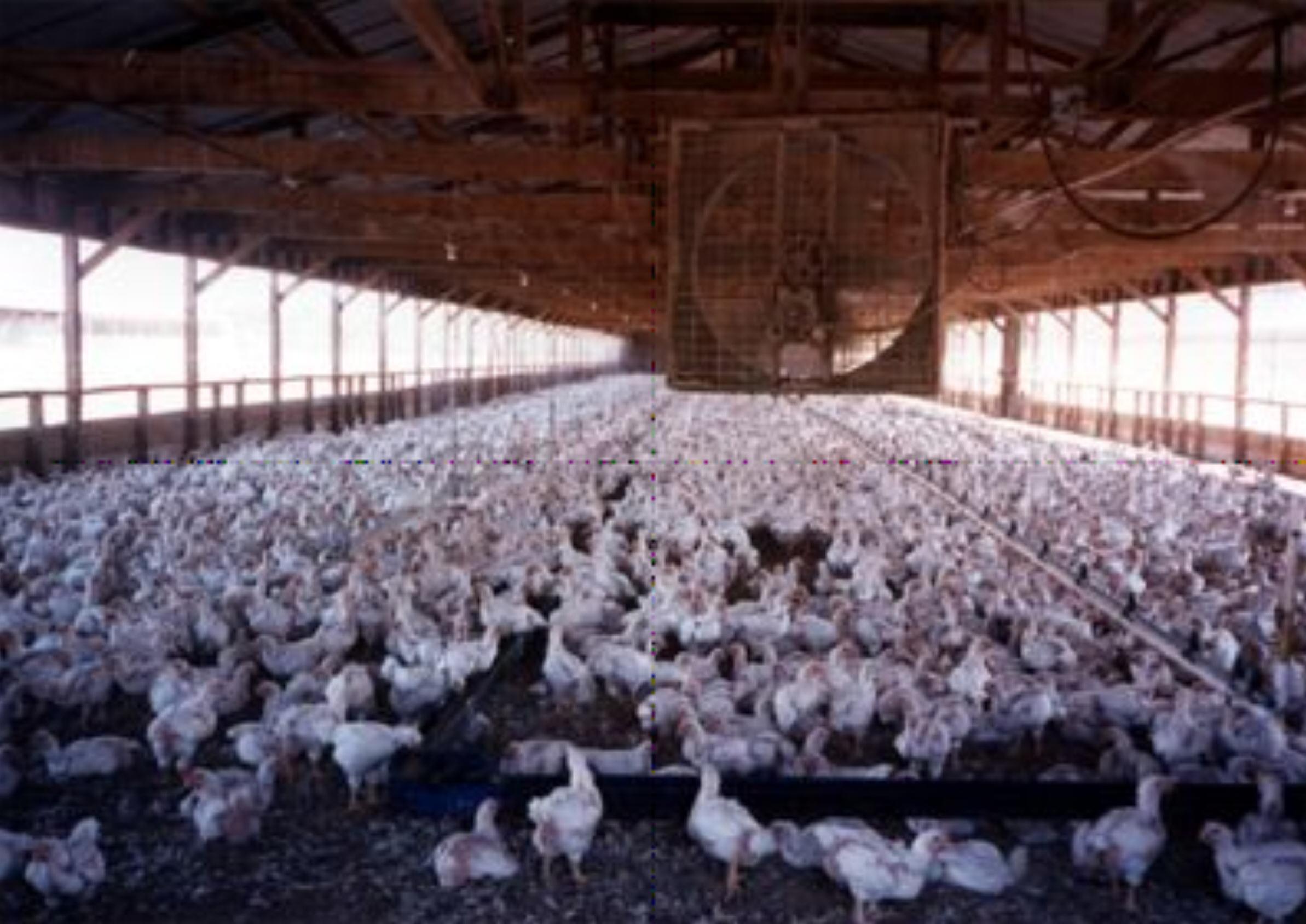
Growers can reduce the costs of mass poultry mortalities and protect themselves from future liability by creating a disposal plan in advance. Heat, natural disaster, equipment failure, or disease can all cause unusually high poultry mortality.  Farmers should create plan for each of these four situations, since the best option varies. 
Read >

Farmer Resource Rodeo offered at CFSA Conference

There is a lot of great help out there these days for innovative farmers. Are you taking advantage of it? This hands-on, interactive workshop and clinic taps you into the tools and resources to help you take your farm enterprise to the next level. You will walk away with new information and new ideas targeted to your individual farm circumstances.
Read >

USDA Reduces Emergency Loan Rate for 2012 Drought from 3.75% to 2.25%

On July 11, 2012, Agriculture Secretary Vilsack announced that the USDA was reducing the interest rate on Emergency Loans through the USDA Farm Service Agency from 3.75% to 2.25%. Farmers in disaster-designated counties are eligible to borrow emergency loans for up to the value of their disaster losses. While emergency loans are one of the primary modes of disaster assistance, farmers must still show eligibility and repayment ability in order to qualify.
Read >

Crop Insurance, Farmer Income, and the Drought

On July 31, the Wall Street Journal online ran an article entitled “Crops Hurt, But Farmers Will Still Get Paid.” The article begins “A historic drought across the middle of the U.S. is shriveling crops—but not many farmers' incomes.” Citing USDA statistics that 70% of crops are covered by crop insurance, this article is part of a growing voice that crop insurance means there is no financial emergency behind this historic drought. Numbers like these look good from behind a desk, but not from behind the wheel of a tractor. Here’s why.
Read >