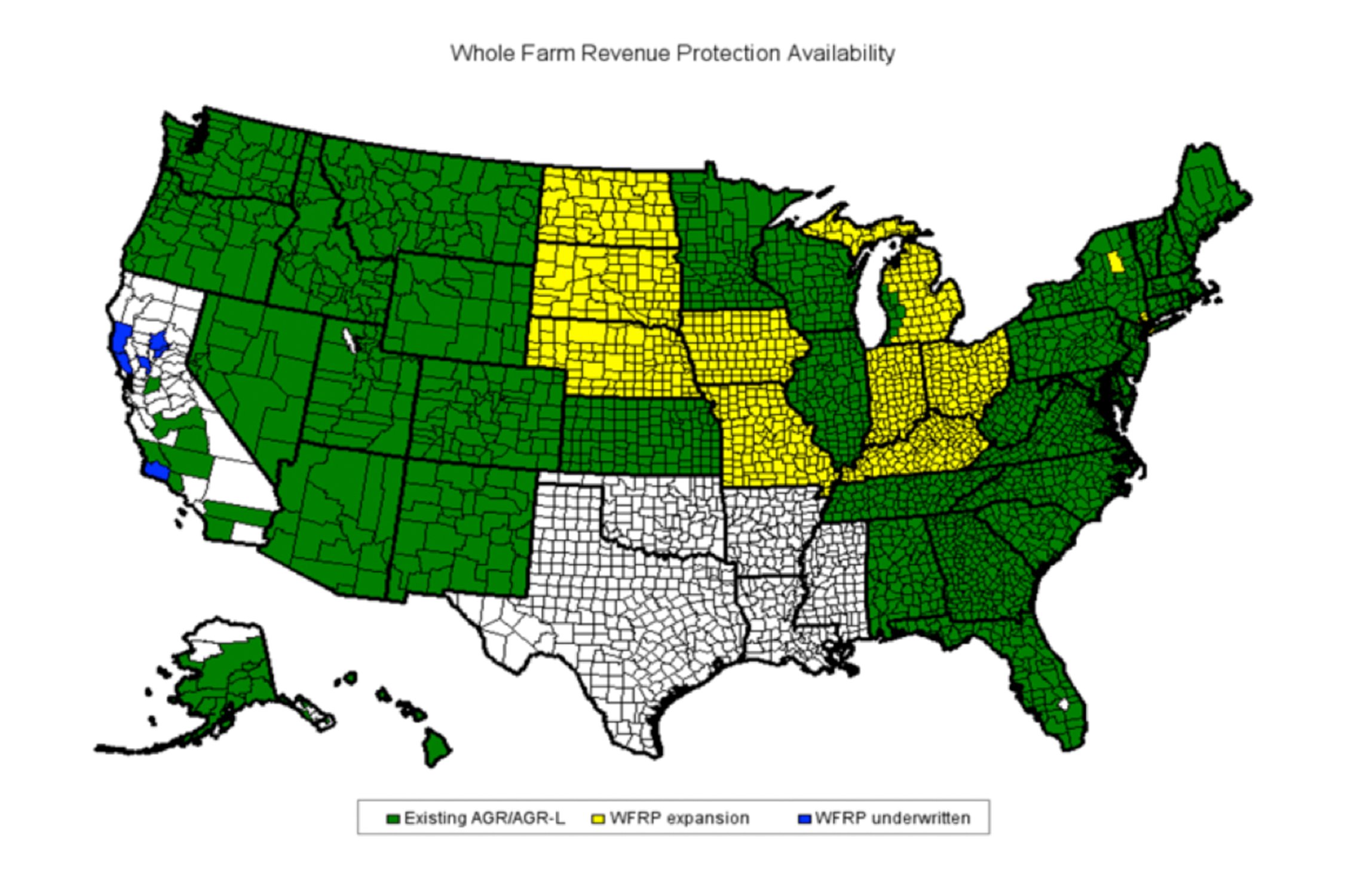
Yesterday, USDA announced the availability of a new whole-farm revenue policy, known as Whole-farm Revenue Protection (WFRP). WFRP will replace Adjusted Gross Revenue (AGR) and Adjusted Gross Revenue-Lite (AGR-Lite) starting in the 2015 crop insurance year.
Whole-Farm Revenue Protection looks to be a positive step toward addressing the risk management needs of producers who have historically been underserved by crop insurance. But additional reforms are needed, especially around beginning farmer access to whole-farm revenue insurance.
On April 15, 2014, eligible farmers and ranchers were able to start signing up for disaster assistance programs restored by the 2014 Farm Bill. RAFI's James Robinson explains how to enroll.
While U.S. consumer demand for organic grows exponentially, domestic production to meet that demand has not kept up, requiring greater imports of organic production to fill the gap. The organic program funding in the new Farm Bill will help U.S. farmers and handler better meet that demand.
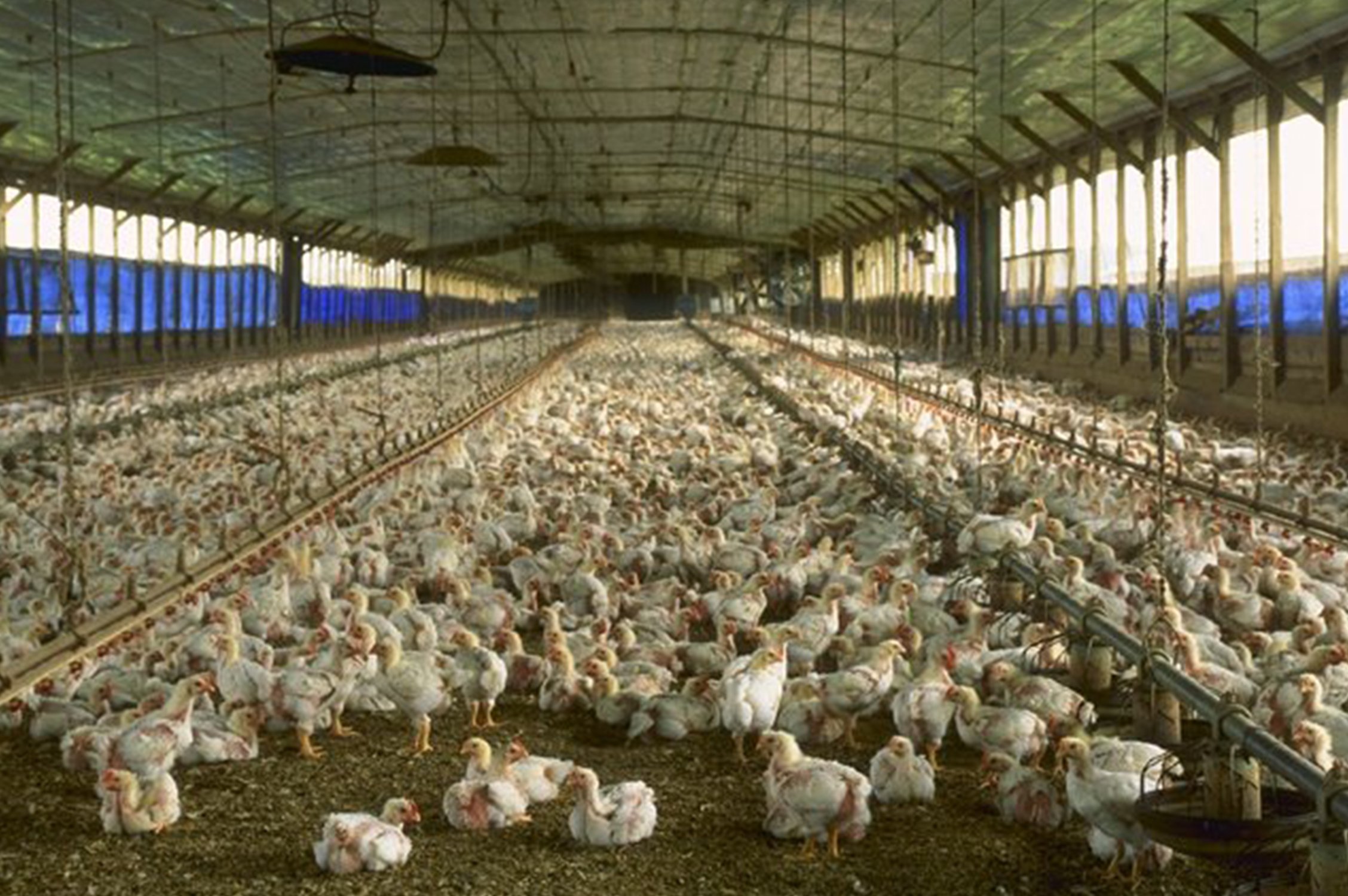
"Farmers who speak up risk everything they own. Industry retaliation is well documented,” says RAFI Executive Director Scott Marlow. “The price of cheap chicken is the exploitation of people, land and animals."
We can cheer the fact that the Farm Bill negotiators rejected the intense pressure from poultry companies and meatpackers to roll back key protections that require them to use fair business practices in their dealings with farmers.
After many years of hard work and patience, we can claim a victory for diversified farms in the 2014 Farm Bill. RAFI looks forward to working with producers and the USDA to further ensure a fair risk management system for sustainable agriculture.
What's at stake here? Critical assistance for organic farmers through the National Organic Certification Cost-Share Program. If we don't act NOW, this program could be completely defunded -- stripping farmers of a vital source of support in helping meet growing demand for organic food and to create local jobs.