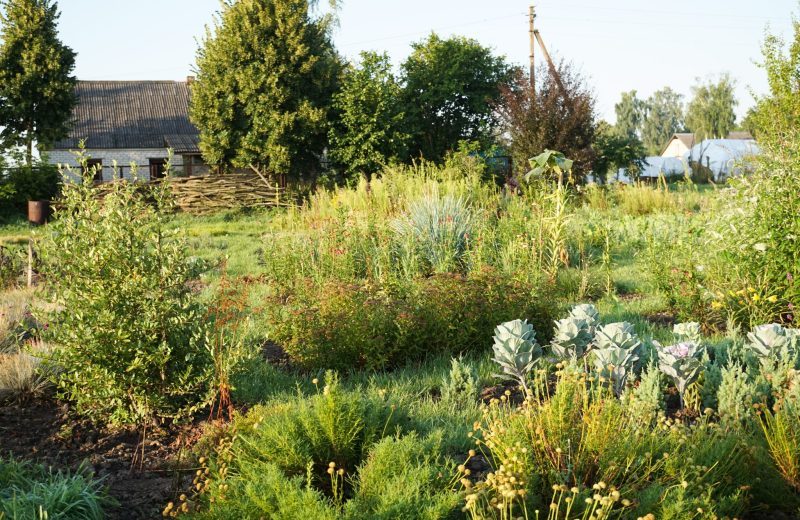
Renowned soil scientist and author Laura Lengnick talks with RAFI about how farmers can build resilience to climate disasters using practical, farmer-tested strategies.
Emergency assistance from USDA and other federal agencies can help you get on the road to recovery, but navigating the maze of different program requirements can be tricky. Know what to expect and what agencies to contact for assistance so that your farm can be prepared for the unexpected.
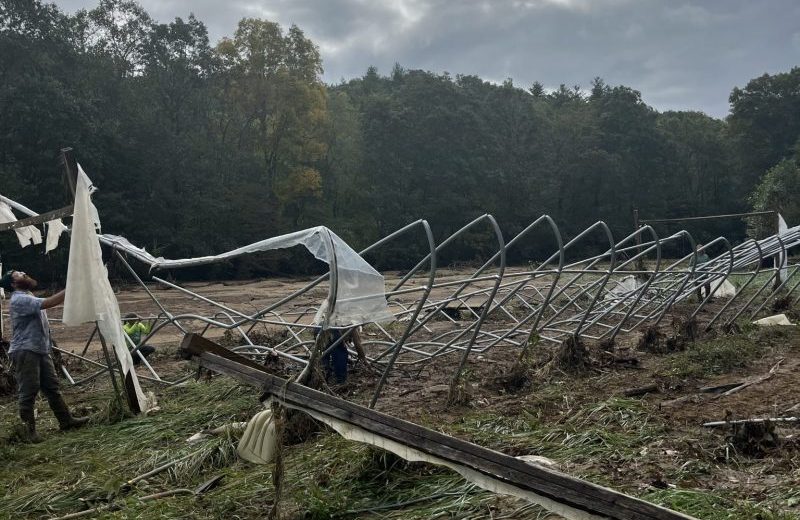
Hurricane Helene’s historic rainfall, strong winds, landslides, tornadoes, and record-breaking flooding caused $60 billion in damage in North Carolina alone. As news of the devastation poured in, RAFI sprang into action.
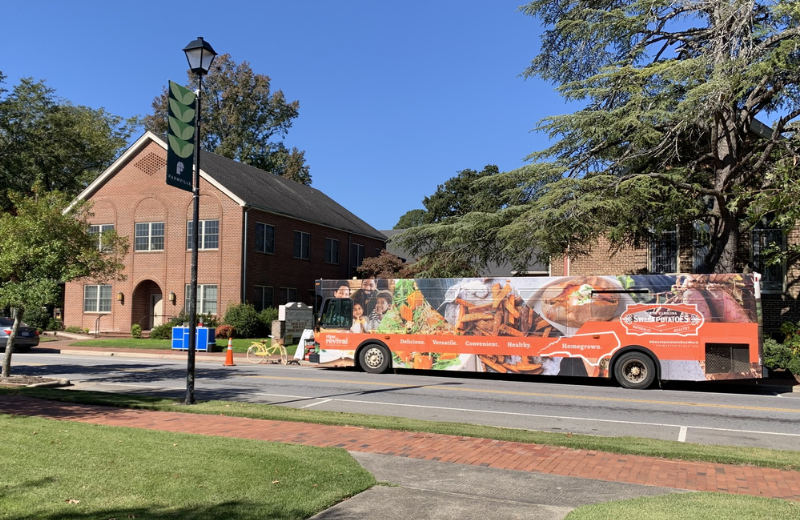
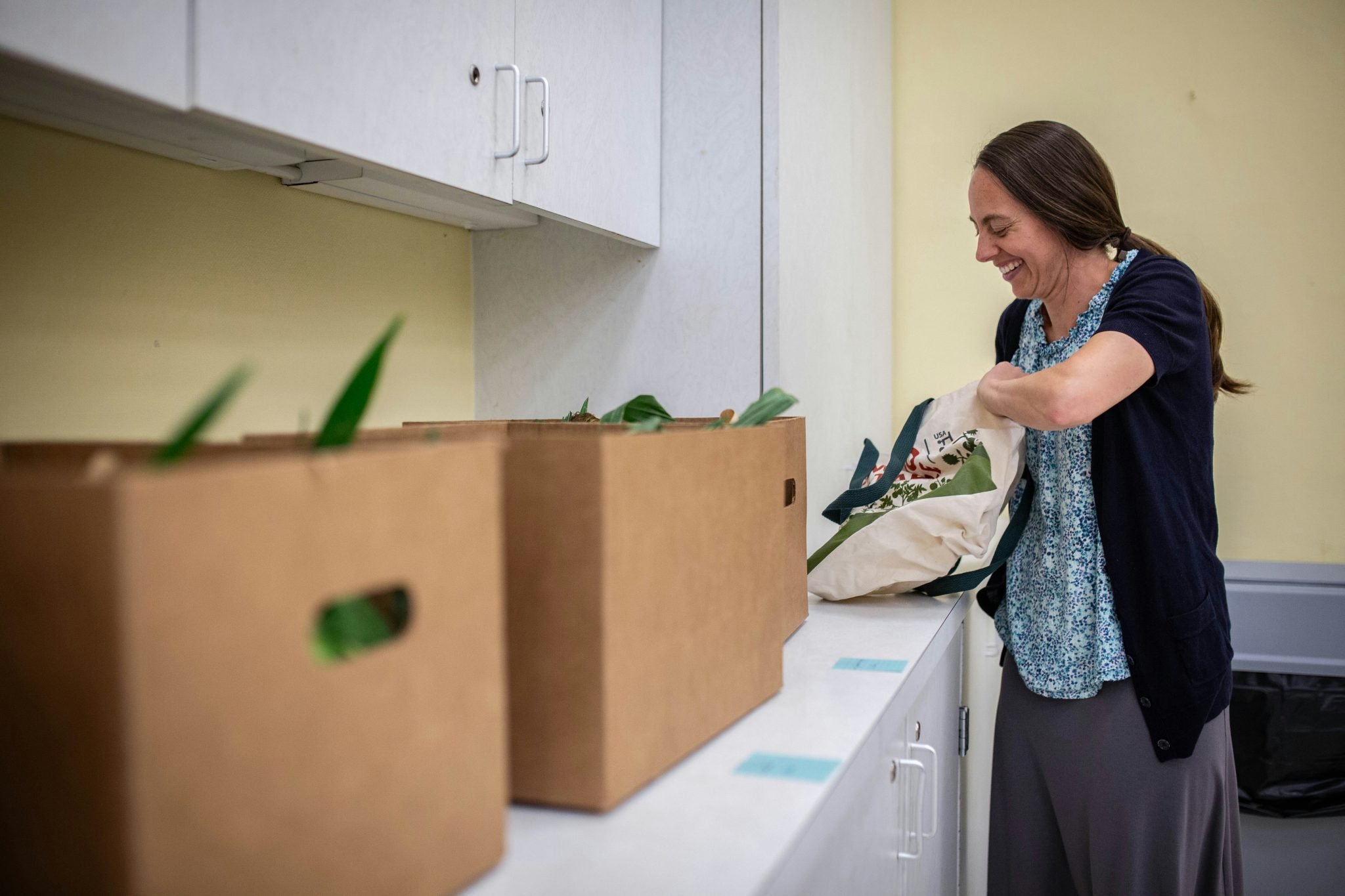
The Food Hub is built on partnerships and connections to a variety of food assistant providers to “support a resilient food system for the Farmville community with sustainable and abundant food resources, which honor inclusivity and foster a culture of belonging.
Here you'll find links to current resources and guidelines available from state and territorial agriculture departments where RAFI’s networks are mostly found.
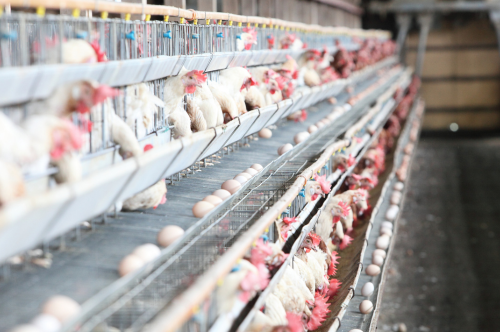
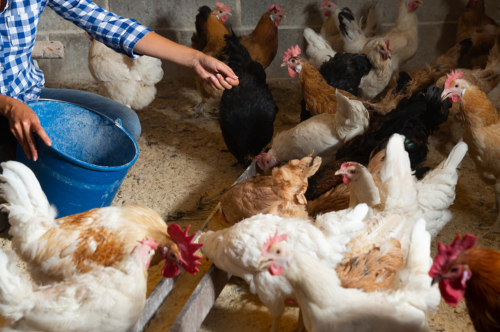
Today RAFI celebrates the finalization of the “Poultry Growers Payment Systems and Capital Improvement Systems” rule under the Packers and Stockyards Act. This rule introduces a significant reform to the poultry tournament system that will allow poultry contract growers to reliably estimate their income for the first time in decades.
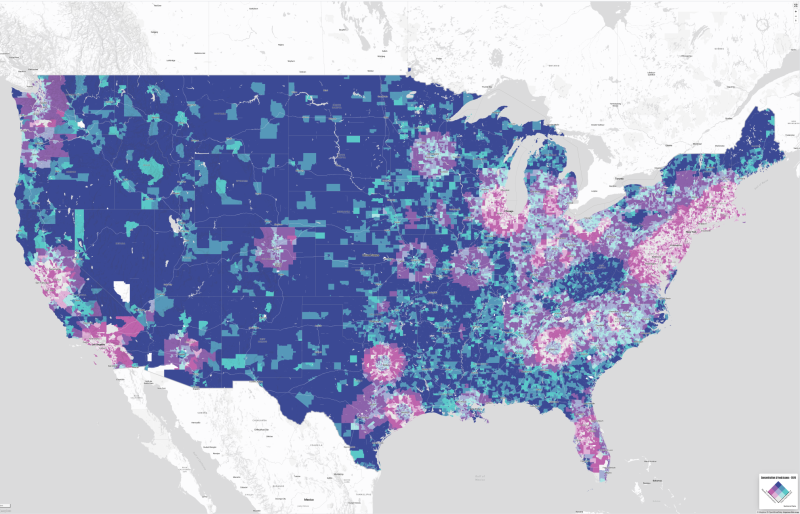
Corporate concentration in the grocery industry can contribute to food insecurity, especially in rural communities. RAFI's Grocery Gap Atlas visualizes the relationship between corporate concentration and food access.
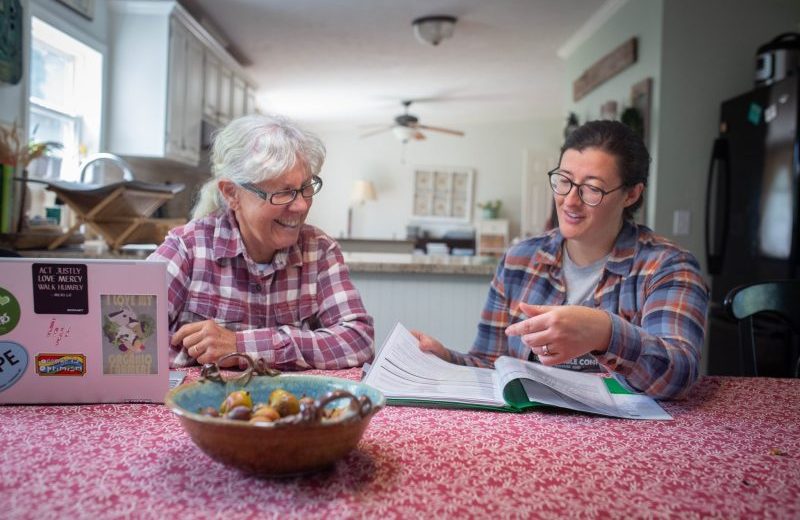
Managing contracts is an essential part of running a successful farming business. Contracts help farmers plan for the future and balance financial risks. Seemingly small details in a contract can make a huge difference in your farm’s financial security and whether you are eligible for various grants and programs, including USDA funding.
Regenerative. Climate-Smart. Sustainable. Organic. The world of agriculture is bursting with eco-friendly alternatives to the modern industrial model. But where do these movements come from, what do they mean, and how are they different from each other?
Food insecurity affects millions across the U.S., and faith communities have long played a key role in addressing hunger. This blog explores strategies to make food ministries more equitable and accessible, focusing on improving nutrition access, partnering with local resources, and enhancing language accessibility to better serve diverse communities.
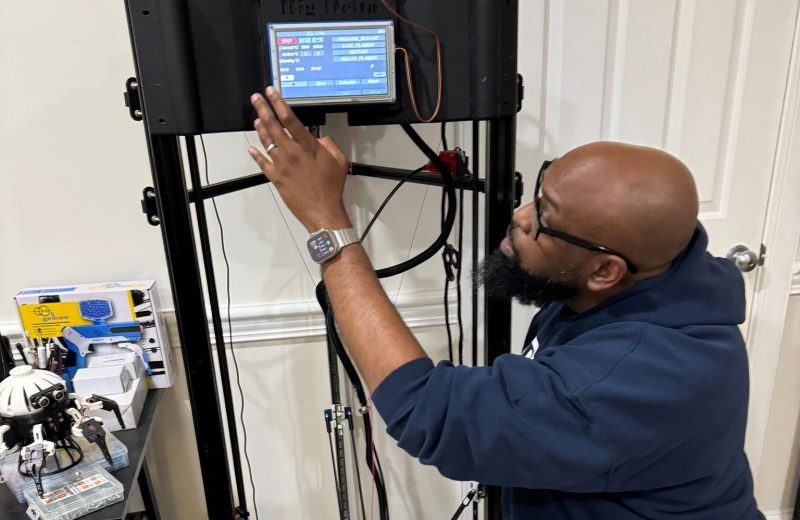
With a background in marine biology and 18 years of coding experience, Jonathan Watkins brings his own unique perspective to the farm – he has found many ways to apply 3D printing in their daily operations to save time, cost and hassle.